Showing posts with label sexual assault. Show all posts

Tuesday, March 31, 2020

Monday, March 30, 2020: Escalating Interpersonal and State Violence in the Time of COVID-19 Pandemic

This Monday March 30th at 1pm on KPFA Radio's Women's Magazine, Margo Okazawa-Rey  talks to four young feminist leaders in the anti-violence and anti-sexual assault movement who are present or former Brown University students,  to look at the less visible and less talked about aspects of the Coronavirus.  They look at what is happening interpersonally and in the home, and how the Shelter in Place Policy affects women and other folks in precarious and already-vulnerable positions, especially people with disabilities and incarcerated persons.   And they look at what happens when you consider race and class as critical aspects of their experiences.  They discuss the emerging data and observations regarding the increasing violence in various forms that are resulting from or exacerbated by the Coronavirus Pandemic.

Camila Pelsinger, senior at Brown University, is a leader sexual violence prevention on campus, including as a coordinator for the Brown University Sexual Assault Peer Education program.  As Vice President of Brown’s student government, she developed a transformative justice program to support community-based approaches to addressing harm that prioritizes the needs of victims and survivors.

Rose Houglet, sophomore at Brown, covers gender issues and campus activism for campus publications and volunteers as a Sexual Assault Peer Educator. She also conducts gender-based violence research that examines community intervention methods at Rhode Island middle and high schools.

Stefanie Lyn Kaufman-Mthimkhulu (pronounced: tim-koo-loo), a graduate of Brown, is the Founder and Executive Director of Project LETS, a national grassroots organization led by and for folks with lived experience of mental illness/madness, Disability, trauma, and neurodivergence. Their work and community-organizing specialize in building radical peer support collectives and community mental health care structures outside of state-sanctioned systems of “care,” grounded in principles of anti-racism and Disability, Transformative, and Healing Justice.

Xochi Cartland is a junior at Brown University. With a background in Disability Justice, she  is a staff member at Project LETS and is Student Coordinator, alongside Camila, of the Transformative Justice Program. Her primary interest resides in building grassroot infrastructures for responding to harm and violence that operate outside of institutions.

Click here to listen to the show. 59:50 min

https://www.sinsinvalid.org/blog/10-principles-of-disability-justice


Tuesday, September 24, 2019

Monday, September 23, 2019: Akemi Johnson, Rebecca Sonnenshine, Somali American Women in Minn. and Betty Reid Soskin


Today on KPFA Radio’s Women’s Magazine Sharon Sobotta interviews TV & Screenwriter and Producer Rebecca Sonnenshine as she tells us how having a seat at the writing table for network series and films, as a woman, is changing the way stories are told.

Next Sharon talks to Akemi Johnson who gives us a close up view of what is happening in the border towns of military bases in places like Okinawa, Japan with book released in June 2019
Betty Reid Soskin

Somali American women in Minnesota offer support for Representative Ilhan Omar, as she is continually bullied and mischaracterized by the president. Sharon interviews writer Jojo about her experience as a Somalian woman in America.

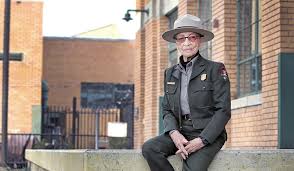
Betty Reid Soskin, America’s oldest park ranger turns 98 this week, just in time for the launch of the documentary featuring her life called, No Time To Waste. Look for screenings on October 5 in Mill Valley and other places in the near future.

Click here to listen to the show. 59:50 min

Tuesday, October 9, 2018

Monday, October 8, 2018: Family Stories of Resistance and Resilience - Berkeley High School Women's Student Union

Listen to a chat with Simone Ewell-Szabò, one of the co-presidents of Berkeley High School's Women's Student Union.  A video the group produced last week in response to the Kavanaugh hearings has gotten over 20,000 views on YouTube.


The students are holding a festival for International Day of the Girl on Oct 11 at lunch hour across the street from Berkeley High School. There will be big sweeps of paper for people to paint, food and things for sale to raise money for women's shelters in Berkeley, and  tables with women's literature, poems and a place to express your feelings.

Listen now or Get MP3 11:35 min

Click here for the entire show. 59:50 min


Also on today's show:
Novelist Barbara Artson
Artist Lucia Ippolito


Wednesday, October 25, 2017

Monday, October 23, 2017: Violence against women, ‘me too’ campaign and 3rd i film Festival


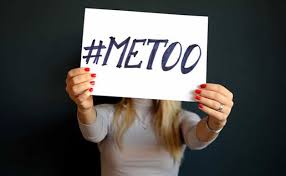
This Monday on KPFA Radio’s Women’s Magazine we talk to Radical feminist activist Hilla Kerner of the Vancouver Rape Relief and Women’s Shelter about organizing on the frontlines to end violence against women. And we discuss how to build on the recent viral #MeToo campaign in response to revelations of sexual assaults by Hollywood producer Harvey Weinstein.

And we speak to a panel of South Asian women participating in the 3rd i film festival which centers on South Asian perspectives. The panel includes singer, composer, musician and filmmaker Gingger Shankar talking about her film Nari, actress Nabila Hussein who co-stars in the show Brown Girls, and documentary filmmaker Pallavi Somusetty. They discuss their work and issues of representation and sexism in the film industry.

The film festival starts November 9-12 in San Francisco and November 18 in Palo Alto. For more info, schedule and tickets on the 3rd i Film festival go to: www.thirdi.org

Click here to listen to entire show. 59:50 min

Tuesday, August 30, 2016

Monday, August 29, 2016: Women's Magazine examines how race and class influence sexual assault cases?

Recently widespread outrage has erupted over the bias and leniency in court decisions involving rape and the general acceptance and prevalence of violence against women.  In California, a judge's decision to give a white former Stanford University swimmer an unusually lenient  six-month jail sentence for sexually assaulting an unconscious Stanford student sparked a campaign to have him removed after the victims stomach churning impact statement went viral.  The outrage of women has succeed in forcing Judge Aaron Persky to give up his docket of criminal cases. This is just one of the many cases of sexual assault that women have been protesting in the media garnering widespread attention and also raising the issue of how race and class influences sexual assault decisions.  

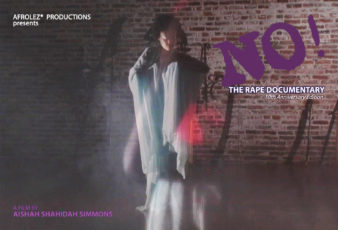
Another incident which Black feminists have taken the lead in debating is the alleged sexual assault by actor and director Nate Parker 17 years ago, which came to the attention of the media  after his recent remarks about the victims suicide while promoting his new film "Birth of Nation" about the 1831 slave rebellion led by Nat Turner, a film which had been destined for an Oscar.  Today we talk about that case and how class and race intersect with issues of sexual assault  with African American Lesbian Feminist filmmaker and writer  Aishah Shahidah Simmons. Simmons directed the groundbreaking film “No! The Rape Documentary.” Check out Aisha's Vimeo channel at https://vimeo.com/afrolez. Also see Afrolezproductions.com for more information and discussions about rape.

Click here to listen to entire show. 59:50 min

Tuesday, April 15, 2014

April 14, 2014: Campaign to End Child Sexual Assault Now

http://www.youandmeandthefruittrees.com/

YOU AND ME AND THE FRUIT TREES: Filmmaker and activist Tracey Quezada talks with Preeti Mangala Shekar about what's wrong with the criminal justice approach to child sexual assault and what we can do to address this public health problem as a community.

One in three of girls and one in six of boys are sexually assaulted before the age of 18 years, usually by someone they know. Non-gender conforming boys and girls are even more vulnerable according to the ACE studies. Tracey Quezada talks about her personal experience with victims and survivors of child sexual abuse and what inspired her to make the film.She looks at the generational cycle of sexual abuse, the enormity of it, and examines child sexual abuses as a public health issue.Child sexual abuse impacts everybody in the family.

You and Me and the Fruit Trees will be shown this Saturday, April 19th from 1:30 to 4:30 at Oakland Asian Cultural Center. The is a Community event to initiate a new campaign to END CHILD SEXUAL ABUSE NOW!!! See trailer at www.facebook.com/endCSAnow.

Listen now:


Wednesday, January 29, 2014

January 27, 2014: Nuclear Free Middle East? and a Brief History of Rape in the US

Groundbreaking Conference in Haifa for Nuclear Free Zone in Israel:

"Enough is enough!" It's time to examine Israel's policy of not admitting they have nuclear weapons; that the existence of nuclear weapons is not an asset but a danger to the area and to Israelis.


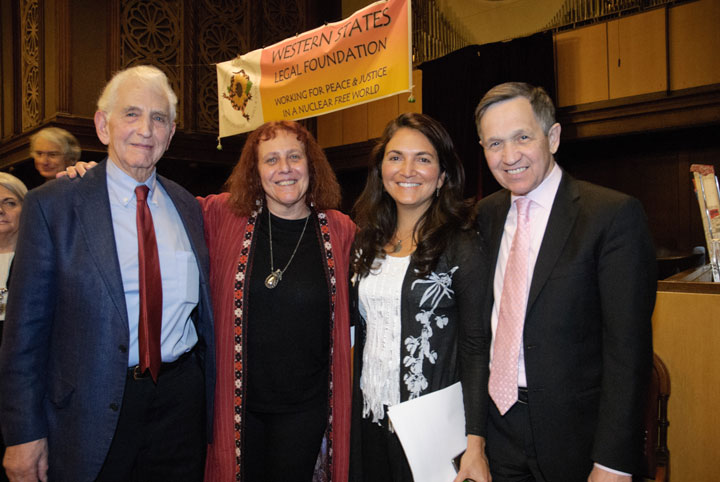
Daniel Ellsberg, WSLF Executive Director Jacqueline Cabasso, Rose Aguilar, Dennis Kucinich.Photo by James Lerager

Kate Raphael speaks with Jackie Cabasso, Executive Director of Western States Legal Foundation, about the groundbreaking conference held in Haifa, Israel last month breaking the taboo on discussing Israel's nuclear weapons and other weapons of mass destruction. The Haifa conference was organized by a preparatory committee including former members of the Israeli Knesset (Parliament) and dedicated Israeli anti-nuclear and human rights activists from around the world.

Jackie talks about the history of efforts to make the Middle East a zone free of nuclear weapons and weapons of mass destruction, as over 137 countries around the world are. "You certainly don't have to be an expert to know that nuclear weapons are a really bad thing," says Jackie Cabasso. 21:27 min.

Click here to listen to this segment.

Get MP3.


Rape in the US:

Sexual violence from a historical, economic, cultural, and political perspective.


President Obama has convened a task force to address the epidemic of rape on campus. In this segment Lisa Dettmer talks with Estelle Freedman, professor of history and feminist studies at Stanford, about the history of U.S. definitions and understandings of rape and sexual violence.  Freedman is the author of REDEFINING RAPE: Sexual Violence in the Age of Suffrage and Segregation.

Harvard University Press says about Estelle Freedman's book: Rape has never had a universally accepted definition, and the uproar over “legitimate rape” during the 2012 U.S. elections confirms that it remains a word in flux. Redefining Rape tells the story of the forces that have shaped the meaning of sexual violence in the United States, through the experiences of accusers, assailants, and advocates for change. In this ambitious new history, Estelle Freedman demonstrates that our definition of rape has depended heavily on dynamics of political power and social privilege. 29:28 min.

Click here to listen to this segment.

Get MP3.


Click here to listen to the entire show. Includes music by boogie-woogie pianist Caroline Dahl and singer-songwriter Holly Near. 58:06 min.

Tuesday, January 14, 2014

January 13, 2014: Helping Ourselves, Helping Each Other, Dear Sister

Dear Sister: Anthology by and for Survivors of Sexual Violence 


Click here to get this book.

Tara Dorabji talks about Dear Sister: Letters from Survivors of Sexual Violence with editor Lisa Factora-Borchers and contributors Michelle Ovalle and brownfemipower.  Dear Sister, a multiethnic anthology by and for survivors, comes out from AK press this week.

Dear Sister shares the lessons, memories, and vision of over fifty artists, activists, mothers, writers, and students who share their stories of survival or what it means to be an advocate and ally to survivors. Written in an epistolary format, this multi-generational, multi-ethnic collection of letters and essays is a moving journey into the hearts and minds of the survivors of rape, incest, and other forms of sexual violence, written directly to and for other survivors.


Listen. 33:34 min.


Listen to the entire Women's Magazine show from KPFA. Today's show also includes an interview with Mickey Eliason discussing Doing It For Ourselves. 59:50 min.

Tuesday, January 7, 2014

January 6, 2014 - Tahrir Square; Home Birth in CA; and Pink Ribbon Culture

The Square documentary about Tahrir Square


Jehane Noujaim discusses her film, THE SQUARE, which documents the Egyptian revolution from its earliest days through the overthrow of President Mohammed Morsi.  Jehane also talks about the role of violence against women in suppressing the protests, who was behind it and why.  Is it worse now in Egypt in general and for women in particular? Noujaim has a refreshing veiwpoint. THE SQUARE, on the short list for an Oscar, opens at the Roxie on January 17, and becomes available on Netflix at the same time.
30:00 min.

Get MP3

New CA law AB1308 and Home Birth

photo from www.cafamiliesformidwives.org

Tara Dorabji talks with midwife Treesa McLean about a new California law which will greatly expand access to midwifery and home birth, but also restricts the ability of women with "high risk" pregnancies to choose home birth and midwifery care.Tara and Treesa discuss the good, the bad, and the ugly of the new law AB1308. The new law opens the door for midwives and licensed birth centers to bill MediCal. However, the self-determination clause has been removed, which makes it illegal for a midwife to attend a high-risk home birth. California Families for Midwives advocates for more choices including where, how, and who attends women during their children's birth. 17:00 min

Get MP3

The Pink Ribbon Culture; Narratives on Breast Cancer


And we hear part of Caity Goerke’s interview with Emilia Nielsen, whose research on breast cancer narratives reveals that women feel pressured to "perform" breast cancer in a way that emphasizes optimism. This approach, fueled by the pink ribbon industry, delegitimizes anger and activism, says Nielsen. It robs women of the productive power of anger and focuses only on cure and not causes. This program is excerpted from a syndicated feminist radio show, the F Word, station CFRO out of Vancouver, BC. Click on the link to find archives of previous shows from The F Word. 13:09 min.

Get MP3

To listen to the entire KPFA show with music, movie clips and more click here. 58:10 min.

Thursday, November 7, 2013

November 4, 2013 - Kavita Krishnan talks about the Women's movement in India. Choreographer Jo Kreiter discusses her new aerial dance piece.

New Women's Movement in India

Kavita Krishnan
We hear from Indian feminist activist Kavita Krishnan, secretary of the All India Progressive Women's Association, a group that organizes poor women workers against feudal violence and state repression against women. We hear the talk she gave at UC Berkeley this September called Women Want Freedom -- Shifting the Terms of the Debate which is about the uprising that followed the brutal rape and murder last December in India of a young 23 year old woman which lead to a new type of movement against rape which had broad support and which raised important questions of male entitlement that had not been raised so broadly before. And she also raises questions about rape culture in India, the U.S and  internationally and the influence of capitalism and neoliberalism to structurally support all rape culture's by continuing to exploit women's labor in the home and the work place. Kavita Krishnan's talk was sponsored by the Center for South Asia Studies. 45 min.

Dance Explores Women Workers

Pictured: Christine Cali. Photo by Nathan Weyland.

Kate Raphael talks to Choreographer and founder Jo Kreiter who uses dance to engage imagination, physical innovation and the political conflicts we live with. Her pieces have explored the world of women garment workers in San Francisco and the women who worked on the Bay Area's bridges, to name only a few. Her new piece, "Give a Woman a Lift," opens this Friday Nov 8 thru Nov 16 at Joe Goode Annex. 14 min.

Click here to listen to entire show.

 59 min.

Monday, May 27, 2013

May 27, 2013: The Body Feminist

This Memorial Day, we consider whose "sacrifices for freedom" are acknowledged and valued in our culture.

First up, Kate Raphael speaks with Cynthia Enloe, research professor at Clark University and one of the foremost feminist scholars on militarism, masculinity and sexual violence.  Enloe discusses the recent revelations about who's running the sexual assault prevention programs in our military, and what "feminist questions" that should lead to.  Enloe is the author of thirteen books including Bananas, Beaches and Bases: Making Feminist Sense of International Politics; Maneuvers: The International Politics of Militarizing Women’s Lives and Nimo’s War, Emma’s War: Making Feminist Sense of the Iraq War. Her newest book (co-authored with feminist geographer Joni Seager) is: The Real State of America: Mapping the Myths and Truths about the United States.

Listen now:


Get MP3 (24:13)

Arab women are frequently claimed as the beneficiaries of our current military enterprises, but this lens applies colonial definitions of Arab womanhood, says Rabab Abdulhadi, Professor of Ethnic Studies/Race and Resistance Studies at San Francisco State University.  Abdulhadi was one of the keynote speakers at the recent San Francisco Arab Women's Conference, an annual event hosted by the Arab Cultural and Community Center.  In this challenging and informative talk, she confronts the Islamophobia and Orientalism of some well-respected Western feminist icons, and cites stories of how Arab women are resisting both colonial and nationalistic efforts to control their image.  (unedited, 34:37)

Listen below:


Get MP3


Kearny Street Workshop presents KSW Runway: Celebrate Your Body
Coming up this Friday night, May 31, at SomArts, KSW Runway: Celebrate Your Body is an alternative fashion and music show that pays tribute to the creativity and plurality of the Bay Area. For one night only, SOMArts’ Bay Gallery will be transformed into a street fair, replete with battling models, live performances, a DJ, pop-up food stalls, vendors, prizes, and surprise guests. Featured designers and stylists include 31 Rax, Bambie, Zuriel Bautista, Chartreuse, Kalakari, and Prince x Rose, while Dirty Boots, Little Sister, Cynthia Lin, and Micropixie rock out on the music stage. The Rice Rockettes, an all-Asian drag troupe, performs at intermission.
TJ Basa tells us about the origins of KSW Runway and the mission of Kearny Street Workshop, the oldest Asian Pacific American multimedia arts organization in the country.

Listen now:

Get MP3 (9:20)


Listen to entire show

Monday, January 14, 2013

January 14, Stories of Solidarity and Survival

Does India have a "rape culture?"


Vigil for New Delhi Rape Victim, Dec. 28th, 2012
We've all heard about the recent gang rape in India and the protest movement around that, but how unusual is that case? Does India have more or less of a "rape culture" than the U.S.? Preeti Mangala Shekar, Director of Narika, Amita Swadhin, Director of L.A. Peer Health Exchange, with Robynn Takayama of APEX Express.

Get MP3 or Listen now. 24:42 min.


The rise of Islamophibia and how feminists can stop it

Photo from Iranreview.org
Why are hate crimes against Muslim and South Asian people on the rise? And what can feminists do to stop that? Sabiha Basrai and Nadia Hussain of Alliance of South Asians Taking Action (ASATA) and the new zine, Totally Radical Muslims, have some very concrete suggestions.

Get MP3 or Listen now. 23:05 min.


Click to Listen to entire show, including tributes to two of our fierce cultural warriors: La Brava, poet, activist and producer on La Onda Bajita here at KPFA, and historian Gerda Lerner, who founded one of the nation's first women's studies programs. 60 min.

Thursday, December 6, 2012

December 3: Shedding Light on an Invisible War: Military Sexual Trauma

Global Val Ibarra of Mutiny Radio speaks with Army veterans Latonia Dixon and Katie Weber.

Kori Cioca, US Coast Guard, and husband Rob in an emotional interview, from THE INVISIBLE WAR, a Cinedigm/Docurama Films release.
They are just two of the brave women speaking out about the atrocious and rampant lack of justice and recourse for soldiers in the U.S. military who are victims of rape, as well as the long road to healing.

A recent film called "The Invisible War"( Winner of the Sundance Audience Award, 2012) highlights this pressing issue and we stand at a historic time to reevaluate the very core of military impunity.


Listen to the show

Monday, November 19, 2012

Two Faces of Motherhood

Mani Feniger’s new memoir, The Woman in the Photograph, is a compelling narrative set in motion by an unexpected meeting with history.

With the fall of the Berlin Wall, the door to her mother’s vanished past sprang open and what she discovered irrevocably changed her life. Mani Feniger talks with Ruthanne Shpiner about her book, which documents her quest to learn about her mother's life in Europe after finding an old photo. 11:46 min.

Click to listen now or Get MP3


Eva and her family


Kate Raphael talks with Valori George and Kathleen Russell about the strange case of Eva Ruiz Gomez and the corruption and bias in the family court system. For updates and to help support Eva's case go to her website at www.friendsofeva.org.

Unfortunately many women and children have become victims of a family court whose reigning paradigm is showing an unwarranted bias toward giving the father shared custody, whether or not the he has a proven record of responsible and primary parenting, even in cases where the father has been abusive toward the child or the mother. For more information on the protection of family and children's rights in the  court system go to Center for Judicial Excellence. 44:41 min.

Listen now or Get MP3


Listen to the entire show as aired on KPFA. 59 min.

Monday, June 13, 2011

June 13th: Why US women are rejecting marriage...And the unspoken risk of sexual violence against women journalist.

Are US Women Rejecting Marriage? and Why? Dr. Harriet Fraad author of The Great Recession and Gender Marriage Transformation talks about the disentegration of marriage in the US from an economic viewpoint.

Listen or Get MP3 36:01 min.


Lauren Wolfe of the Committee to Protect Journalists talks about the risks of sexual violence international women journalists face. Some news agencies are considering giving them rape kits to take into field yet many women still refuse to talk about their encounters with sexual abuse and sexual violation. The entire report can be found at http://www.cpj.org/reports/2011/06/silencing-crime-sexual-violence-journalists.php

Listen or Get MP314:26 min


To hear the entire broadcast including Women's Calendar Events click here

Tuesday, June 7, 2011

June 6th: Interview with Zahra Noorbakhsh, writer/performer/comedian. And more!

Malihe Razzazan talks to Zahra Noorbakhsh about her one woman comedy show, Maria M. Oppett and Renee Camilla tell us about KPFA's First Voices Media Program, and we replay Kate Raphael's interview about the alleged rape involving IMF head, Dominique Strauss-Kahn . Yvette Hochberg closes us out with the Women's Community Calendar. 59:52 min.

Listen to entire show.

Monday, May 30, 2011

May 30th: Women's Magazine talks to Kathleen Barry about war and violence against women. Also the Strauss-Kahn Affair: Let Justice Be Done.

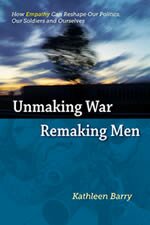
 Memorial Day is a holiday dedicated to the men who gave their lives as soldiers for their country. Kathleen Barry, author of Unmaking War, Remaking Men talks to Kate Raphael about how socializing men to hold their own lives expendable promotes both violence against women and an endless war. 33:30 min.

Listen to the interview.


Plus we talk to French feminist Judith Ezekiel and local activist Roxann Dunbar Ortiz about the Strauss-Kahn rape case and its aftermath. 19:05 min.

Listen now.

Click to hear the entire show including Women's Events Calendar for this week.

Monday, January 3, 2011

Twice Censored: Underreported Women's and Gender Issues of 2010

The Project Censored List of Top 25 Censored Stories of 2009-2010 includes not one story related to a women's or gender issue. NOT ONE! Does that mean women's issues get lots of attention? We don't think so. Instead, it points to the masculinist bias of even the progressive media and media watchdogs.

So producer Kate Raphael has produced her own quite inexhaustive list of censored or underreported stories related to women and gender in the last year. See what you think. If you want to comment on one of her choices or suggest one of your own, please email us at kpfawomensmag@gmail.com.

Listen to the show, which also includes memorial tributes to Dorothy Height, Wilma Mankiller and Mary Daly.


The list below is not in ranked order, though Kate feels that Iraq does belong at the top.

-- The impact of 7 years of occupation on Iraqi women (Malihe Razazan of Voices of the Middle East and North Africa comments)

-- Sexual assault in the military hits epidemic proportion (includes excerpt of report by Scott Shafer of KQED TV)

-- New mammogram guidelines stir controversy (interview with Barbara Brenner of Breast Cancer Action)

-- Grassroots women's organizations are leading in the rebuilding of Haiti (interview with Yifat Suskind of Madre International [Malihe points out that Madre's website doesn't even mention Iraq!))

-- Pregnant women prisoners in California still face shackling, and thousands of abused women are still in prison for defending themselves (interview with Karen Shain of Legal Services for Prisoners with Children)

-- Victoire Ingebirre Umuhoza was the leading challenger to Rwandan president Paul Kagame, except instead of being allowed to run, she was imprisoned (Ann Garrison interviewed Ingebirre for WINGS)

-- Many women political prisoners in Iran are held in solitary confinement and without access to lawyers, families or medical care (interview with Malihe Razazan)

-- Global gatherings like the Cancun climate conference, the G20 and the U.S. Social Forum were covered from start to finish by progressive media, but several major international women's gatherings didn't even rate a headline. These included the 15 year review of the Beijing Platform for Action, the Global Maternal Health Conference and the third African Feminist Forum (interview with Nigerian feminist scholar Amina Mama).

-- Year of the Disabled Lesbian (interview with Laura Rifkin, founder of the Fabled Asp project)

-- Disabled women led the fight against cuts to In-Home Support Services and other social welfare programs, with ArnieVille, a tent city in Berkeley (Jean Stewart, Jan Santos and Hannah Jo Karpalo talk about the creative protest known as ArnieVille).

-- More bad news for women workers: Republicans in the Senate filibustered to block passage of the Paycheck Fairness Act, which would have required employers to prove that wage disparities were job-related, not gender based.

-- Did you know there were women working on oil rigs and leading the clean up of the Gulf? Coastal Women for Change is one of a number of women's organizations that sprung into action when the Deepwater Horizon well blew up. (Merle Savage, general foreperson on the Exxon Valdez cleanup, begs President Obama to make BP give the Gulf cleanup crews respirators and tell them the truth about the risk.)

-- Same sex marriage and Don't Ask Don't Tell were all over the media, both mainstream and progressive, but where were the voices of queers who aren't interested in heteronormative marriage or seeing queers join the imperialist military? (Excerpt from the documentary "Beyond Gay Marriage" by Women's Magazine's Lisa Dettmer)

Monday, December 27, 2010

The Bad Sexual Politics of Julian Assange

by Kate Raphael

When I heard that Julian Assange, founder/principal publisher of Wikileaks, was wanted for sexual assault, it was a “where is the nearest hole for me to crawl into” moment. It didn’t get better.

The debate between feminists Jaclyn Friedman and Naomi Wolf on Democracy Now! did not make me feel better; it made me feel worse. For those who missed it, Friedman, the author of Yes Means Yes: Visions of Female Sexual Power and a World Without Rape, argued that the case would “raise the bar for the women of Sweden and the women internationally for what we can expect from our justice systems.” I can’t see this case raising any bar except the ones in whatever prison they decide to send Julian Assange to.

Naomi Wolf, author of The Beauty Myth and the lesser known but more relevant Fire With Fire, countered that when Assange started having sex with someone while she was asleep after repeatedly refusing to use a condom, “it seems to me that when you say, ‘OK, you better not have HIV,’ he said, ‘Of course not.’ Quote, ‘She couldn’t be bothered to tell him one more time because she had been going on about the condom all night.’ To me, that—I mean, if I was making love with a woman, if I was—you know, if I was a lesbian making love with a woman and we had that conversation, I would keep making love with her, because we had had a discussion about it and reached a conclusion.”

If that is Naomi Wolf’s idea of a positive sexual encounter, I’m just glad she’s not a lesbian.

I have little doubt that whatever else did or did not happen, these women did not get the idea to make criminal complaints against Assange by themselves. But the problem I have is that the women in this situation are props. Depending on your world view, either Assange is a persecuted hero or he is a sexual predator. The likelihood that he is both a persecuted hero and a sexual abuser doesn’t seem to come up. Both of these young women were supporters of Wikileaks and probably had a liberal amount of hero worship for Assange. If he took advantage of that admiration to coerce them to do what he wanted in bed, that doesn’t make him much different from Mike Tyson or Ben Roethlisberger.

When do we get to talk about the tendency of men in progressive movements (just like those in every other kind of movement) to treat the women they work with as lesser beings and sex objects?

In the few weeks before the Assange arrest thrust this issue into our national conversations, I happened to read about two incidents that occurred some years earlier.

The first concerned an allegation of domestic violence against the best known member of the revolutionary “youth” group STORM (Standing Together to Organize a Revolutionary Movement), which was active in the Bay Area in the mid 1990s. This was an incident I knew about at the time, because a couple women I knew from Women Against Rape were asked by STORM to help investigate it. My recollection is that they left the group in the aftermath, feeling that they were being used as window-dressing to give legitimacy to the group and its process. Last month, I happened to run across something that STORM had written about this incident, which I had never read before. The conclusion of their investigation was that the incident had not happened, that the woman involved had made up the accusation as part of some kind of COINTELPRO – CounterIntelligence Program to discredit a revolutionary man of color. Again, I don’t know what happened. What struck me about the reflection, written some years after the incident was resolved (in STORM’s mind), was that they never considered the possibility of multiple truths, that the woman involved actually experienced violence at the same time that the man had no awareness of having committed it. I personally witnessed that man being physically aggressive and threatening toward women I knew, when they disagreed with him during an action, and he refused to be held accountable after that incident, so I am predisposed to believe that he was capable of similar aggression toward a woman he was involved with and would be unlikely to cop to it.

The other piece I was reading had to do with our own radio station, KPFA. Sadly, this station has a long history of bad gender dynamics and accusations of violence against men who are revered by portions of the left. We are currently mired in a terrible political crisis brought on by a huge financial deficit, and in that context a lot of old muck is getting raked up, including some related to two men accused of sexual harassment. One is an on-air personality with whom I personally am usually on the same side politically. This man, who is white, has been accused of harassment by a string of women. Most recently, a friend of mine won an enormous settlement of her claim against him and the station, which is one of the many reasons KPFA and Pacifica are in such financial trouble. The other was a former station manager who was accused of sexually harassing a stream of women. Other men jumped to his defense, saying that he was being targeted because of racism (he was African American), notwithstanding that nearly all of the women who accused him were women of color. The word “COINTELPRO” was again invoked.

A close friend of mine is an incredible organizer and has been instrumental in forming or sustaining a number of progressive organizations over the years. Like most of us whose lives center around movement work, he usually gets involved with women he meets doing political work. And for some reason (guess), when he stops being involved with them, they always end up feeling like they have to leave the organization. At one point, an ex-girlfriend accused him of sexual harassment. The organization was bitterly divided over the question of whether he was guilty or the woman was just an embittered reject. I don’t remember how that situation was resolved, but I do remember what a mutual friend said about it: “It probably wasn’t legally harassment, but he definitely has bad sexual politics.”

I suspect that every movement woman who ever dated men has had an experience like the ones described in the Assange police reports. When I was younger I had two encounters with male friends in the movement who wanted to have sex with me. I wanted to be close and cuddle with them, but not to have sex. They knew I was a lesbian. I kept saying I didn’t want to have sex and they kept insisting, and eventually I gave in. I would not say that I was raped. I didn’t feel afraid of them. If they still lived in this area, I would probably still be friendly with them. Even if I were the kind of person who thought of calling the police as an option, I would not have considered calling the police on them. Nevertheless, I know that what they did was coercive sex and was not okay.

A long time ago, a friend of mine was date raped by someone she had been going out with, who was in the same political group she was in. Some of the women in the group were dismissive of her accusation, saying, "If she was raped, I've been raped 100 times." One of the woman's male friends said that he felt uncomfortable judging this man because he had committed rapes when he was in a fraternity in college. It was very hard for this woman to remain in that organization, which was pretty much the only radical direct action group in town at that time. Fortunately, the group as a whole came together and forced the man to take responsibility for his action. They kicked him out of their full meetings, but the men's group continued to work with him and discuss what had happened. I don't know if he ever got it, and the group didn't last that much longer after that, but that was an example of a system for community justice that other progressive groups could emulate.

The women involved in the Assange case should not be letting themselves be used by the forces that want to put him away for creating a place for people to leak information. They should not be looking to the criminal “justice” system to remedy bad treatment by a man they believed in and trusted. But progressive people, especially people who call themselves feminists, should not be defending his behavior. We need to defend the rights of whistleblowers, the rights of journalists and the public’s right to know. We also need to defend the right of women to say no to sex, even with people they have had sex with before and plan to have it with again. Refusing to use a condom is a serious violation of a person’s right to safety, and if a man doesn’t want to have sex with a condom and a woman wants him to wear one, then he has no right to nag at her or coerce her to change her mind. He certainly has no right to initiate unprotected sex with her while she is sleeping, in the hope, presumably, that she’ll be too out of it to protest.

We must figure out how to hold all our political heroes, male and female, accountable for their bad sexual politics. When do we get started on that?

reposted from Kate's blog, Democracy Sometimes

Monday, May 3, 2010

Untold Stories: Catholic and Palestinian Women Are Making Change - Monday, May 3, 2010

The Other Vatican Sex Scandal, and What Women Are Doing About It
We've heard a lot about sex abuse in the Catholic church recently, but nearly all of it has focused on abuse of boys. Are women and girls not abused in the church? And what about the courageous church women who are organizing to expose and stop it? Angela Bonavoglia, author of Good Catholic Girls: How Women Are Leading the Fight to Change the Church, talks with Women's Magazine's Kate Raphael. 14:55


Download or Listen here


When Gandhi Is a Woman

"Where is the Palestinian Gandhi?" ask commentators from Bono to innumerable New York Times reporters. One possible answer is that she's a 15-year-old girl in a village called Budrus. The new film Budrus documents the nonviolent resistance waged by that village since 2003, and the pivotal role played by young women. Kate Raphael of KPFA Women's Magazine talks with Ronit Avni, one of the producers of this powerful and engaging film. Audio, 17:47

Download or Listen:


Flower in her Hair
Nina Serrano interviews Ethiopian American singer-songwriter Meklit Hadero. This rich discussion also incorporates three full songs from Meklit's beautiful new CD, "On a Day Like This," just released from Porto Franco Records.  If you enjoy the music, you can buy the full album and more on her websiteDownload or Listen:


Listen to the entire show